2026 Dodge Charger Sixpack: A Bold New Era?
The 2026 Dodge Charger Sixpack marks a significant shift, embracing a twin-turbo inline-six and modern design. While offering impressive refinement and practicality, it faces challenges in delivering the raw character enthusiasts expect.

2026 Dodge Charger Sixpack: A Bold New Era?
The automotive landscape is shifting, and Dodge is at the forefront of this transformation with its all-new 2026 Charger. Moving away from its V8 muscle car heritage, the Charger embraces a new generation of powertrains, offering both a fully electric variant and, for the first time, a twin-turbocharged inline-six engine. This review focuses on the internal combustion engine (ICE) version, specifically the high-output “Sixpack” model, which promises a blend of modern technology and familiar Dodge spirit, albeit with a significant divergence from its predecessors.
Exterior: Modern Musings with a Hint of Nostalgia
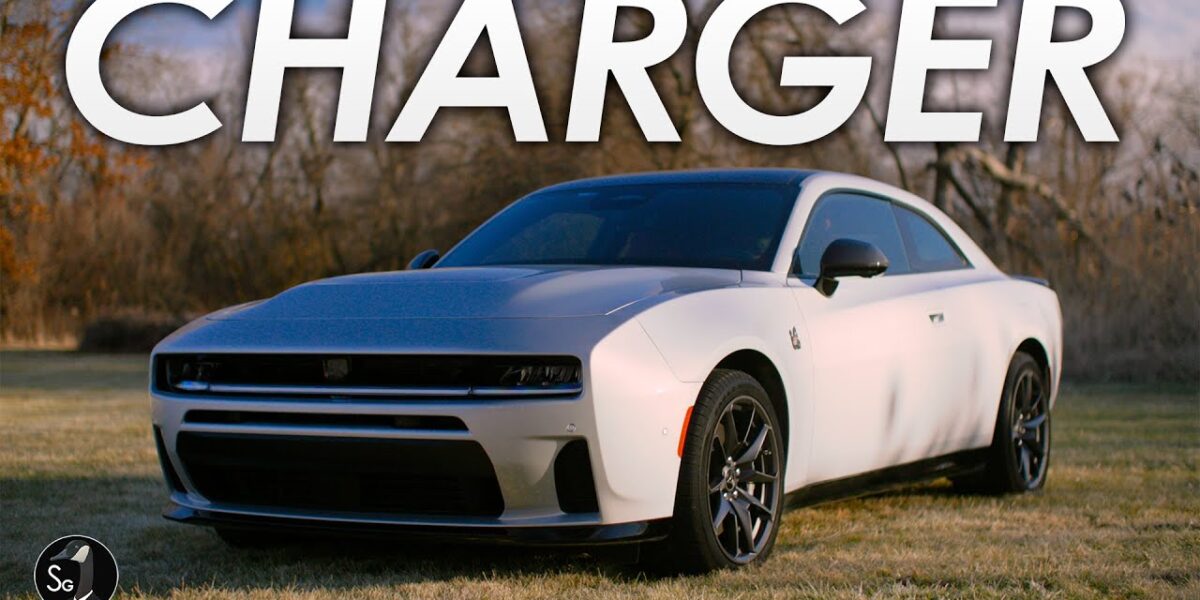
The 2026 Charger’s exterior design is a striking departure from the retro-futurism of the Challenger and outgoing Charger. It adopts a distinctly modern aesthetic, appearing as if it were conceived entirely in the digital realm. From a distance, its clean lines and minimalist approach are intriguing. Dodge has managed to retain some of the classic Charger and Challenger appeal, particularly in its proportions, hinting that a future widebody variant could truly embody the menacing presence expected of the brand. The sheet metal is unadorned, a deliberate choice to avoid overstyling, which should resonate well with those who appreciate a more understated, yet purposeful, design.
Interior: A Significant Step Forward in Quality and Comfort
Inside, the Charger makes a substantial leap in terms of quality and design. Even in the non-maxed-out configurations, the materials feel a step above. Our tester, a fully optioned “Sixpack” model, showcased demonic red seats, carbon fiber accents, a premium Alpine audio system, and a refined matte finish replacing the ubiquitous glossy black and chrome of previous generations. The dashboard design wraps around the driver, complemented by tasteful stitching and a mix of microfiber and matte textured surfaces. Ambient lighting, tied to the drive modes, adds a touch of modern flair without feeling overly gimmicky. The “demonic” red seats are not just for show; they are genuinely comfortable, and the cabin offers ample space, particularly in terms of elbow and headroom. This spaciousness extends to the rear seats, making the Charger a practical option for daily use. Its hatchback design further enhances its utility, positioning it as a viable do-it-all vehicle. The integration of the digital gauge cluster and the lower-profile infotainment screen feels cohesive and well-thought-out, a stark contrast to some competitors where screens can appear tacked on. Storage and ergonomics are also well-executed, creating a driver-focused environment.
Points of Contention in the Cabin
Despite the overall improvements, a few design choices detract from the otherwise premium feel. The shifter, for instance, is oversized, and its placement can lead to accidental presses of the drive button. Similarly, the grab handles are unusually large, suggesting an assumption of bulky work gloves. Conversely, some physical controls, like those for traction control, feel undersized and lack sufficient support, exhibiting a slight wobble when pressed, which can feel chintzy. The haptic feedback bar below the infotainment screen is overly sensitive and prone to lag, further undermining the perceived quality. While the digital gauge cluster is excellent, the main infotainment system suffers from noticeable lag when navigating between different modules, particularly when returning to driver control functions.
Performance: The Hurricane’s Roar and its Caveats
Under the hood of the “Sixpack” variants lies the Stellantis “Hurricane” inline-six engine. This 3.0-liter, twin-turbocharged, closed-deck aluminum mill comes in two states of tune: a 420-horsepower lower output version and the high-output model producing a claimed 540 horsepower at the crank. Mated to an 8-speed ZF automatic transmission, the engine delivers impressive performance. On the dyno, the high-output model registered just over 480 horsepower at the wheels, a figure that puts it in a competitive bracket, outperforming the BMW B58 but falling short of the S58. Dodge claims a 0-60 mph time of under four seconds and a quarter-mile in the low 12s for the high-output variant.
Driving Dynamics: Stability Over Sportiness?
The Charger is built on Stellantis’ modular STLA platform, designed to accommodate both EV and ICE powertrains. This inherent flexibility, while enabling multi-energy vehicles on the same body-in-white, has led to a significant weight increase, estimated to be around 1,000 lbs heavier than the EV counterpart due to chassis and suspension provisioning for the battery pack. This heft is noticeable, though Dodge has worked to mitigate it. The suspension features multi-link setups front and rear with passive dampers. The system is tuned for stability, with the all-wheel-drive system biased towards the rear. In Auto mode, it operates at a 50/50 split, shifting to 40/60 in Sport mode. High-output Sixpack models include an electronic clutch-based differential and a transfer case that can disconnect the front axle in Sport mode, allowing for rear-wheel-drive antics like burnouts and drifts.
On the road, the Charger feels substantial and refined, a far cry from the “tin can” feel of its predecessor. However, the ride can be on the firmer side, with some finding it harsher than expected, especially for a car not explicitly designed as a track weapon. Dodge’s emphasis on stability means the car is programmed to prevent sudden oversteer, with the front end tending to push wide before the rear breaks traction. This stability-first approach makes it feel more like a front-wheel-drive car in certain dynamic situations, a departure from the rear-biased character of older Chargers and Challengers. While this enhances safety and predictability, it may disappoint enthusiasts seeking a more tail-happy experience.
Sound and Drivetrain Quirks
A significant point of contention is the engine sound. While the exhaust note is surprisingly loud and sounds like a turbocharged inline-six from the outside, the interior experience is dominated by artificial engine noise augmentation. This synthesized sound is described as abrasive and grating, detracting from the driving experience. The drivetrain also exhibits a noticeable lag from a standstill before boost builds, and the transmission’s manual mode, operated via paddle shifters, is clunky and unresponsive, with paddle shifters that feel like an afterthought. The automatic mode is more competent but can feel lazy compared to competitors.
Value and Target Buyer
The 2026 Dodge Charger Sixpack High Output starts at $54,000 for the base ICE model, with the fully optioned version reaching $68,000. The EV variant begins at $60,000. While the pricing is competitive for its performance figures, especially considering the advanced platform and technology, the $68,000 price point places it in contention with more established luxury performance sedans like the Audi S5, BMW M340i/M440i, and Mercedes-AMG C43. At these higher prices, the Charger faces stiff competition. However, if priced in the high $50s or low $60s, it becomes a more compelling proposition, offering a unique blend of practicality, performance, and modern amenities that could appeal to buyers seeking a more substantial and versatile GT car, similar to the now-discontinued Kia Stinger GT.
The target buyer is likely someone who appreciates the Dodge brand’s legacy but desires a more refined, modern, and practical vehicle. It appeals to those who need the utility of a hatchback and all-wheel-drive for year-round usability, without entirely sacrificing the desire for spirited performance. The increased interior space and refinement make it a more viable daily driver than its predecessors, capable of handling family duties and long-distance cruising.
Verdict: A New Direction, But Character Needs Polish
The 2026 Dodge Charger Sixpack represents a bold, albeit controversial, new direction for the iconic nameplate. It successfully transitions into a more modern, refined, and practical vehicle, boasting a significantly improved interior, advanced technology, and potent performance from its Hurricane inline-six. The all-wheel-drive system and hatchback practicality make it a truly usable GT car. However, the emphasis on stability over outright sportiness, the divisive synthesized engine sound, and some interior quality quirks prevent it from achieving true greatness in its current iteration. While it excels in core tasks like providing ample space and objective speed, it has lost some of the raw character that defined its V8-powered ancestors. Dodge has laid a solid foundation, but for the Charger to truly recapture the enthusiast’s heart, future iterations will need to inject more character and refine the dynamic experience to match its premium aspirations and price point.
Source: 2026 Dodge Charger Sixpack | Potential? (YouTube)

Related Articles


Audi TT Lives On: Electric Successor Confirmed
Audi has confirmed an all-electric successor to the iconic TT is coming, based on the platform intended for the electric Porsche Cayman. Set for a potential 2027 launch, this move secures the TT's lineage in an electrified future.

Polestar 4: A Cool EV With A Catch
The Polestar 4 offers a compelling blend of striking design, a luxurious interior, and advanced technology, positioning itself as a stylish alternative in the EV market. While its unique styling and performance are noteworthy, potential buyers should consider its compromises in rear visibility and charging speeds.

Subaru Uncharted EV: A Compact Electric Adventure
Subaru introduces the 2026 Uncharted, a new compact electric crossover sharing its platform with Toyota. Offering up to 308 miles of range and impressive off-road capability, it aims to attract traditional Subaru buyers to the EV market.