2025 Deadliest Year for Ukraine Civilians: UN Official
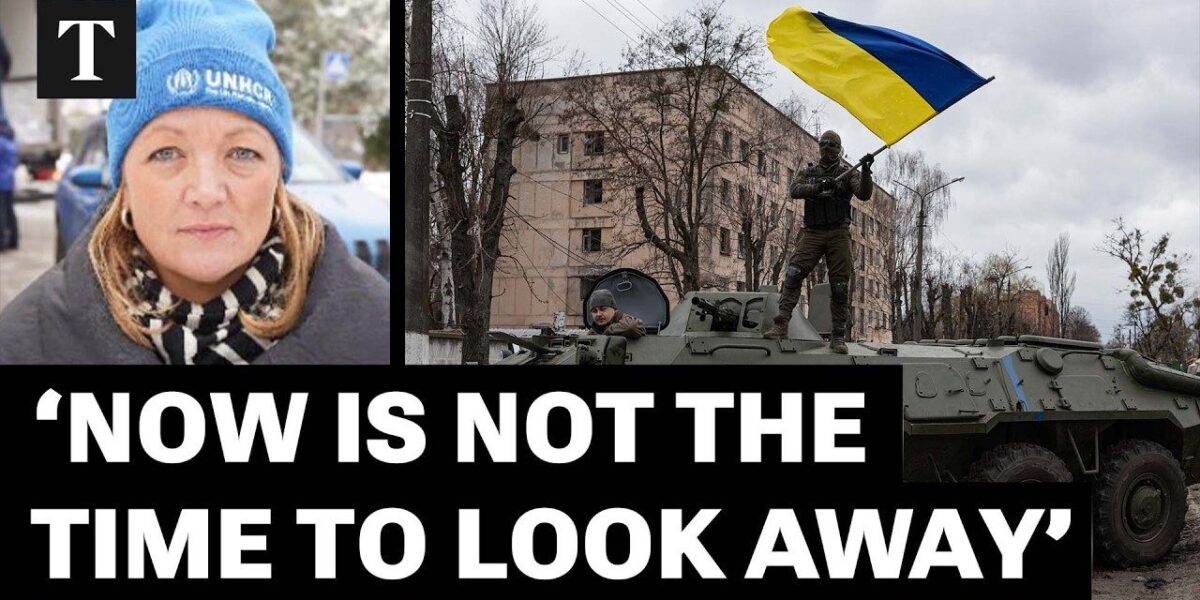
A UN official has warned that 2025 could be the deadliest year for Ukrainian civilians since the full-scale invasion began. Elizabeth Hasslund of UNHCR described relentless attacks and immense humanitarian needs, emphasizing the need for sustained international support amidst ongoing recovery efforts.

Ukraine War Enters Fifth Year with Escalating Civilian Toll
As the war in Ukraine enters its fifth year, a stark warning has emerged from the United Nations: 2025 is shaping up to be the deadliest year yet for Ukrainian civilians. Elizabeth Hasslund, Senior Communications Officer at UNHCR, the UN Refugee Agency, speaking from Kyiv, described a pervasive sense of unending conflict, with attacks continuing relentlessly and the human cost mounting daily.
A Relentless Grind: Intensified Attacks and Civilian Impact
Hasslund painted a grim picture of life in Ukraine, stating that the reality on the ground feels as though the initial shock of the Russian invasion in 2022 has never truly ended. “Last year, 2025 was actually the most deadly year for civilians since the start of the full-scale invasion,” she reported. “It was four days only during the entire year that there were no attacks. So 361 days with attacks on Ukraine.” This intensification of hostilities has left Ukrainians exhausted and living under a constant threat.
“The reality here on the ground in Ukraine is that the war is just grinding on relentlessly with continued attacks.”
– Elizabeth Hasslund, UNHCR
The Human Cost: Trauma, Displacement, and Ghost Towns
The psychological toll on individuals is immense. Hasslund shared heartbreaking accounts from her travels across the country. While large-scale refugee movements have subsided since 2022, people continue to flee daily from frontline regions. She described visiting transit centers where new arrivals spoke of their villages becoming “ghost towns,” devoid of neighbors, water, electricity, or basic amenities like bread. For those remaining in larger cities, the constant anxiety over when the next missile or drone might strike their building underscores a pervasive insecurity about the future, significantly impacting mental health.
A Plea for Sustained Support Amidst Diminishing Global Aid
Despite strong statements from world leaders, the reality on the ground highlights the immense and persistent humanitarian needs. Over 10 million people across Ukraine require humanitarian aid, a need that would continue even if a peace agreement were reached tomorrow. The destruction of three million homes since the full-scale invasion means recovery will be a long and arduous process. Hasslund emphasized the critical need for sustained international support, noting a global trend of diminishing aid for humanitarian work, which directly affects operations in Ukraine. “Now is not the time to look away from Ukraine,” she urged.
Rebuilding Amidst Conflict: Resilience and Ongoing Recovery Efforts
Remarkably, recovery and rebuilding efforts have already begun, even as attacks persist. Hasslund explained that people’s lives and societies cannot be put on hold. There is a strong eagerness among the Ukrainian public, government, and local communities to commence the recovery process. UNHCR, for instance, is actively involved in repairing damaged homes, having already restored 55,000. These efforts not only help those remaining in Ukraine continue their lives but also lay the groundwork for the eventual return of refugees when security permits.
Refugee Intentions and the Conditions for Return
While UNHCR does not specialize in specific refugee communities abroad, regular surveys indicate that the majority of Ukrainian refugees wish to return home once it is safe. Key factors influencing their decision include security, access to housing, employment opportunities, and the availability of basic services like schools and healthcare. The surveys also highlight a concerning issue: some returning refugees report inadequate access to healthcare in their host countries, underscoring the need for continued inclusion and support for those seeking safety abroad.
Addressing Corruption Concerns and Ensuring Aid Reaches Those in Need
Responding to concerns about corruption, Hasslund reassured that aid is reaching its intended recipients. UNHCR works closely with Ukrainian NGOs on the front lines, enabling rapid response to attacks. Vital support, often in the form of cash assistance, is directly transferred to people’s accounts, ensuring transparency. “We do see that the aid is reaching the people the people who need it the most,” Hasslund stated. However, she acknowledged that the sheer scale of needs, even with existing support, means that not everyone can be reached, necessitating difficult prioritization decisions based on available funding.
Looking Ahead: The Persistent Need for Peace and Support
As the conflict grinds on, the focus remains on achieving a just and lasting peace. However, the immediate reality is the enduring humanitarian crisis and the urgent need for continued international solidarity and funding. The resilience of the Ukrainian people, who are already engaged in rebuilding their lives amidst ongoing attacks, serves as a testament to their determination. The coming months will likely see continued calls for increased aid and unwavering support as Ukraine confronts what may be its deadliest year yet for its civilian population.
Source: 2025 Deadliest Year Yet For Ukrainian Civilians, Says UN Official (YouTube)

Related Articles

Europe Faces Post-Cold War Order Collapse After Munich Security Summit
Western leaders at the Munich Security Conference acknowledged the end of the post-Cold War security order, raising concerns for Europe's future. Ukrainian President Zelenskyy urged continued support against territorial concessions, while transatlantic tensions underscored the shifting geopolitical landscape.

Trump’s Putin Stance: US Strategy and Global Implications
Analysis suggests Donald Trump's approach to the Ukraine war involves pressuring Kyiv, but US involvement is crucial for resolution. China's influence and the 'MAGA' agenda's geopolitical implications are key factors.


Melania Trump’s Quiet Diplomacy on Ukraine War
Former First Lady Melania Trump has emerged as an influential, though unofficial, voice on the Ukraine war, reportedly shaping her husband's perceptions and engaging directly on humanitarian issues like the deportation of Ukrainian children. Her advocacy, possibly influenced by her European background, has drawn international attention and sparked unique reactions, including widespread social media support from Ukrainians.