2016: The Year the Automotive Media Landscape Shifted
2016 marked a pivotal year in automotive journalism, shifting the focus from written reviews to dynamic video content. This era saw the rise of visually showcasing new vehicles, with breakout hits like the Porsche Carrera GT and Mercedes-AMG GT defining the future of car content.

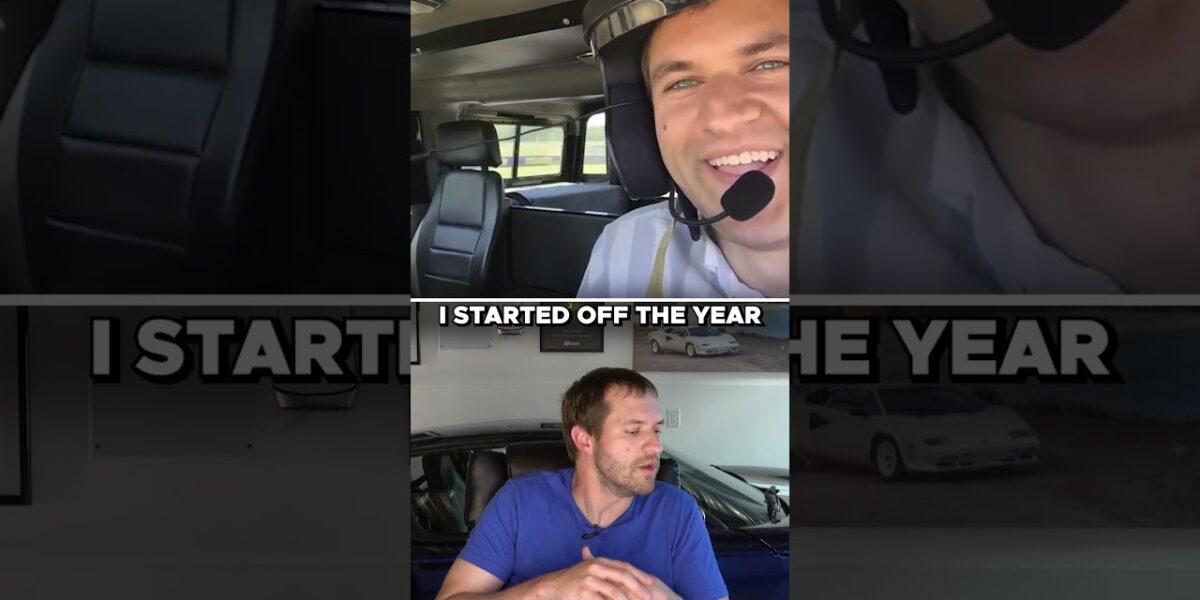
A Decade of Change: How 2016 Redefined Automotive Journalism
Ten years ago, the automotive media world was on the cusp of a seismic shift, a transformation largely driven by the burgeoning power of online video content. While the written word had long been the bedrock of car reviews and commentary, 2016 marked a pivotal moment where video content began to not just supplement, but lead the charge in how enthusiasts consumed automotive news and reviews. This was the year that demonstrated the undeniable appeal of visually showcasing the latest machinery, setting the stage for the digital-first approach that defines the industry today.
The Genesis of a New Era
The early 2010s saw the rise of automotive blogs and websites, with many journalists leveraging these platforms to connect with a growing online audience. However, the power of visual storytelling was still largely untapped. In 2016, this began to change dramatically. The traditional model of written reviews, while still valuable, started to be complemented and, in some cases, overshadowed by dynamic video content. This evolution wasn’t just about adapting; it was about embracing a new medium that offered a more immersive and engaging way to experience automobiles.
From Personal Rides to Dream Machines
The journey began with a focus on personal vehicles, offering a relatable entry point for viewers. However, the real breakthrough came when automotive journalists started to gain access to, and produce content around, a wider array of vehicles. April 2016 saw a significant moment with a video featuring a 1997 North American spec Land Rover Defender. This wasn’t just another car review; it was a departure from the norm, showcasing a different approach that resonated powerfully with the audience. The success of such content signaled a clear direction: the audience craved more than just their own experiences; they wanted to see and hear about the latest, the most exciting, and the most aspirational vehicles on the market.
Breakout Hits and Audience Insights
The true testament to this evolving landscape came with the breakout success of videos featuring high-performance icons. The Porsche Carrera GT and the Mercedes-AMG GT became emblematic of this new era. These were not just cars; they were statements of automotive engineering and design, and their visual representation captivated audiences. The overwhelming positive reception to these features provided invaluable insights. It became clear that while a diverse range of vehicles held interest, the allure of new, cutting-edge, and often exotic cars, presented with energy and expertise, was a surefire way to capture and retain viewer attention. This understanding was crucial in refining the content strategy, moving beyond simple car features to a more refined and audience-centric approach.
Refining the Formula for Success
By the latter half of 2016, the groundwork was firmly laid for what would become the dominant force in automotive media. The lessons learned from these early video successes – the importance of visual appeal, the power of showcasing new and exciting models, and the need to understand audience preferences – coalesced into a refined format. This wasn’t just about making videos; it was about understanding the narrative, the pacing, and the specific elements that made a car review engaging and informative for a digital audience. The focus shifted towards creating content that was not only visually stunning but also provided genuine automotive insight, effectively bridging the gap between the enthusiast’s passion and the manufacturer’s innovation.
The Legacy of 2016
The year 2016, therefore, stands as a watershed moment. It was the year that cemented the video format as a primary driver of automotive content consumption. It proved that accessibility to a wider range of vehicles, combined with insightful commentary and high-quality visuals, could build a loyal and engaged audience. This period not only shaped the careers of many automotive journalists but fundamentally altered the expectations of car buyers and enthusiasts alike. The trend that emerged in 2016 continues to evolve, but its roots are firmly planted in that transformative year, demonstrating the lasting impact of embracing new media to tell the stories of the automotive world.
Source: Looking Back at 10 Years Ago (YouTube)

Related Articles
Quirky Rides: Top 10 Unique Cars Under $25,000
Discover the most unique and characterful vehicles you can buy for under $25,000. From three-wheeled marvels to retro icons, these quirky cars offer individuality and fun without breaking the bank.

Nostalgic Nameplates: Who Botched the Revival More?
The revival of iconic automotive nameplates is a double-edged sword. We examine whether General Motors' Chevrolet Blazer or Honda's Prelude botched their modern interpretations more severely, concluding that the Blazer's identity shift was the more egregious error.

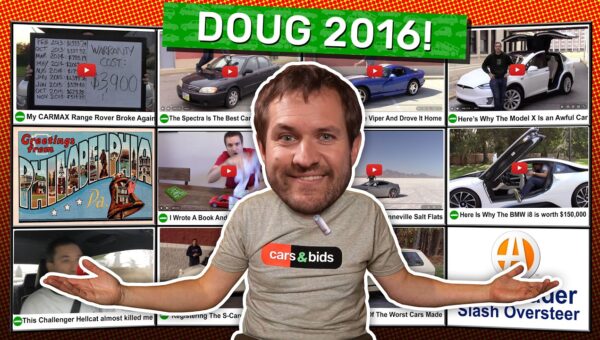
Doug DeMuro: The Pivotal Year That Forged Automotive YouTube
Doug DeMuro reflects on 2016, the pivotal year he transitioned from a car writer to a video-first content creator, fundamentally shaping his YouTube career and the automotive content landscape. Key video successes with a Land Rover Defender and Toyota Land Cruiser marked the beginning of his pivot towards reviewing other people's cars, a strategy that would lead to unprecedented success.