2 Pilots Dead in LaGuardia Runway Crash
A devastating collision between an Air Canada flight and a fire truck at LaGuardia Airport resulted in the deaths of two pilots and serious injuries to dozens of passengers. The crash occurred while the fire truck was responding to a separate emergency involving a United Airlines flight.

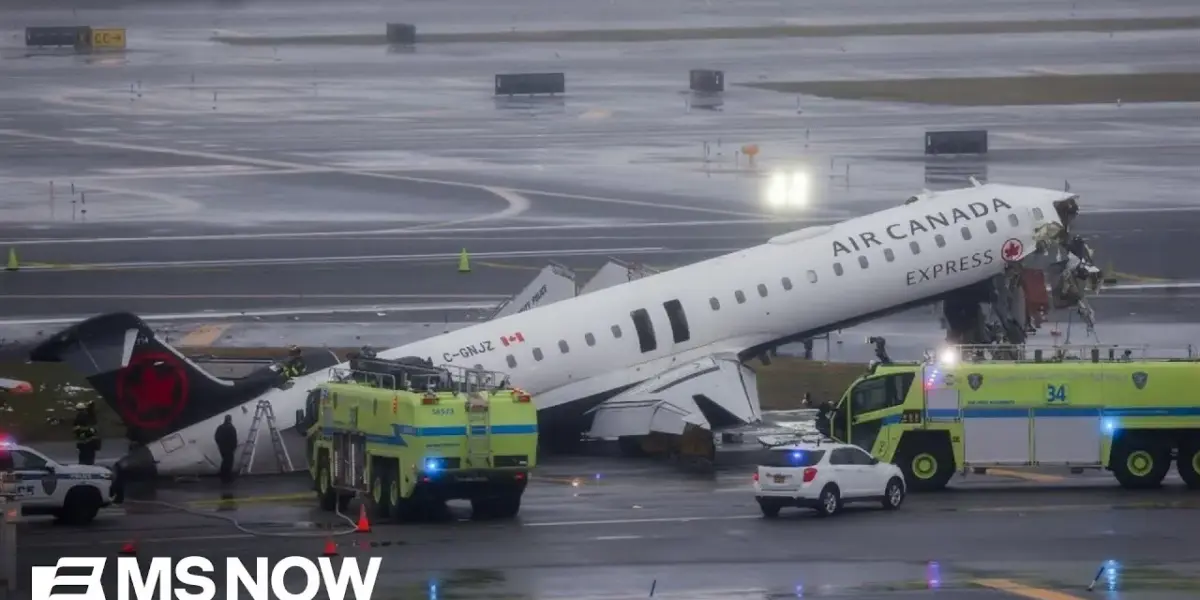
Two Pilots Die in Fiery Collision at LaGuardia Airport
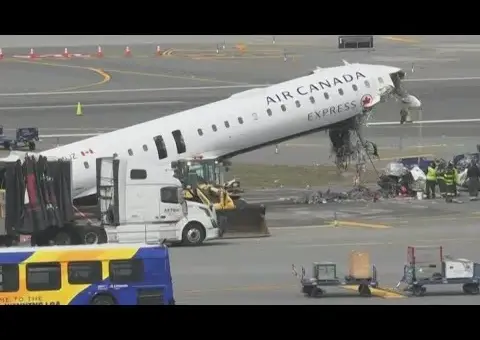
A devastating crash occurred last night at New York City’s LaGuardia Airport when an Air Canada flight collided with a Port Authority fire truck on the tarmac. The impact was so severe that it crushed the nose of the fire truck and ignited a blaze. Tragically, two pilots from the fire truck were killed in the accident.
Passengers Injured in Devastating Crash
The Air Canada flight, carrying 72 passengers from Montreal, was landing at LaGuardia when the collision happened. Dozens of passengers sustained injuries, with many suffering serious wounds. One unaccompanied minor was on board and has since been reunited with their family.
Airport Closure and Investigation Underway
Following the catastrophic event, LaGuardia Airport was shut down. Officials stated the airport would remain closed until at least 2 p.m. today, possibly longer, depending on the needs of investigators. The National Transportation Safety Board (NTSB) has dispatched teams to the scene to begin their work.
“More investigators, we anticipate to be on site around six this morning, and then we will follow their lead on what their investigation and they will have the time they need to make that determination.”
The primary question investigators are focusing on is why the fire truck was on the active runway. Reports indicate the fire truck had been cleared to cross the tarmac. It was responding to a separate incident involving a United Airlines flight when the fatal crash occurred.
Multiple Emergencies Overwhelm Air Traffic Control
Senior transportation reporter Josh Einiger, an airline pilot and former FAA safety team representative, explained the complex situation in the air traffic control tower. “Everything, everywhere, all at once” is often the reality for controllers managing busy airports.
At the time of the crash, the controller was handling multiple critical events simultaneously. This included the landing of the Air Canada flight and a separate issue with a United Airlines flight. The United flight reported fumes on board, and flight attendants were becoming ill. This prompted an urgent need for the fire truck and potential evacuation procedures.
The controller, while managing these emergencies, also cleared the fire truck to cross the runway that the Air Canada flight was cleared to land on. This decision was made moments before the collision, but it was too late to prevent the tragedy.
Workload and Staffing Concerns in Air Traffic Control
Einiger highlighted ongoing concerns about workload and staffing levels within air traffic control. The NTSB has previously discussed how excessive demands on controllers can make prioritization and decision-making more difficult. While the individual controller is not being faulted at this early stage, the NTSB will examine the broader systemic issues.
Airport Layout and Communication Challenges
Kyle Bailey, author of “Witness JFK Jr.’s Fatal Flight,” pointed out LaGuardia’s complex layout. The airport is situated on a small piece of land with intricate taxiways and intersecting runways. Bailey noted that the area near the crash site is marked as a “hot spot” on airport charts, indicating a history of safety hazards and close calls.
Bailey also emphasized the importance of communication and vigilance. “Whenever you’re crossing a runway as an airplane pilot, whether you have a clearance or not, you always look in both directions to make sure there’s no airplanes on the arrival or on the departure,” he said. He questioned why the approaching aircraft was not seen by the fire truck crew.
He added, “Most importantly, I want to say these were human beings, regardless of who’s found to blame… their adrenaline probably was pumping both the controllers and the fire truck driver. And unfortunately, accidents do happen. And, you know, sadly, in this case, there was tragedy.”
Key Questions for Investigators
Investigators expect to have a clear understanding of the events within 24 hours, though official findings may take weeks or months. Key evidence includes air traffic control recordings, aircraft tracking systems, and LaGuardia’s ground radar, which can track aircraft even in poor visibility.
The NTSB will meticulously review these systems to determine the precise sequence of events that led to the fatal collision. The focus will be on understanding how the fire truck was cleared onto the runway while a flight was simultaneously cleared for landing, and what factors contributed to this catastrophic failure.
Source: 2 pilots killed after runway collision at NYC's LaGuardia Airport (YouTube)

Related Articles
LaGuardia Runway Reopens After Deadly Crash, Safety Lapses Exposed
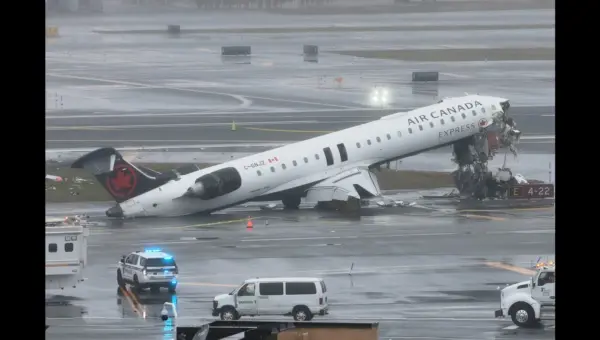
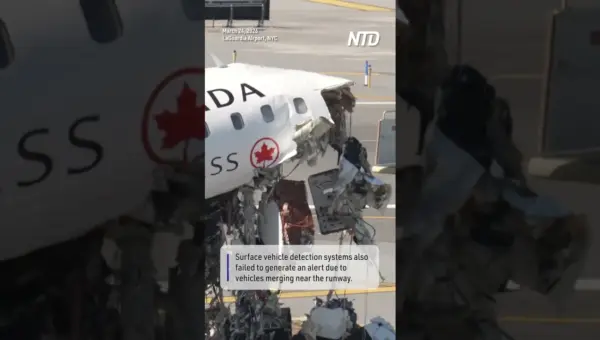
LaGuardia Airport's main runway has reopened after a fatal crash involving an Air Canada Express jet and a fire truck. The incident, which killed two pilots, exposed critical failures in airport safety systems, including ground surveillance and transponder use.
Air Safety Fears Soar After Deadly Crash
A fatal crash at LaGuardia Airport has triggered a national review of air safety, revealing a pattern of close calls and communication issues at U.S. airports. Investigators are examining technology and staffing, as calls grow for urgent safety upgrades.
Missing Transponder Fueled LaGuardia Near-Disaster
A fire truck lacking a crucial transponder was involved in a near-collision at LaGuardia Airport. The NTSB is investigating this and other issues, highlighting potential gaps in ground vehicle safety protocols. This incident serves as a stark reminder of the importance of technology in preventing airport accidents.