2 Dead in LaGuardia Crash: Air Traffic Chaos Suspected
A deadly collision between an Air Canada flight and a firetruck at LaGuardia Airport claimed two lives, raising serious questions about air traffic control staffing and procedures. The incident occurred during poor weather conditions, with a single controller reportedly managing multiple emergencies.

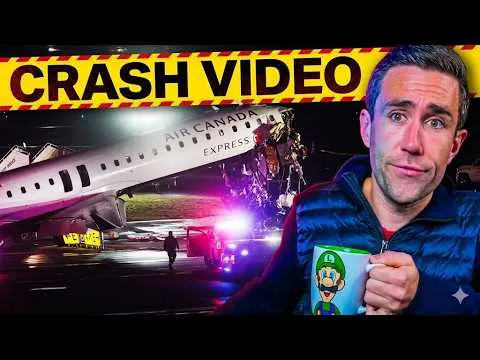
Tragedy Strikes LaGuardia as Plane Collides with Fire Truck
A devastating accident at LaGuardia Airport resulted in the deaths of two pilots and serious injuries to several others when an Air Canada flight collided with an airport rescue and firefighting vehicle. The incident occurred late Sunday night, around 11:37 p.m., during foggy and rainy conditions, severely impacting airport operations.
The Collision Details
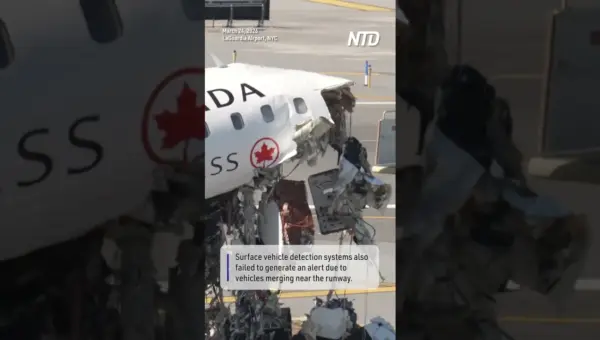
Air Canada flight AC8646, a CRJ900 carrying 72 passengers and 4 crew members from Montreal, was landing at LaGuardia. Just about a minute after an airport rescue and firefighting (ARFF) vehicle was cleared by air traffic control to cross Runway 4, the ARFF vehicle was struck by the incoming aircraft. The impact was severe, causing significant damage to both the firetruck and the aircraft. The collision sent debris onto Taxiway Echo.
Injuries and Immediate Aftermath
Tragically, both pilots on the Air Canada flight were killed. One of the flight attendants was ejected from the aircraft during the impact and was found strapped to her seat on the tarmac, but miraculously survived with serious injuries. In total, 41 people, including some crew members, were taken to the hospital. Of those hospitalized, 32 have since been released, leaving nine still receiving care. Both firefighters on the ARFF vehicle sustained injuries but were not in the cockpit area when the aircraft hit the truck.
Airport Disruption
The crash led to the immediate closure of LaGuardia Airport. Operations did not resume until 2:01 p.m. the following day, causing widespread disruption. Over 600 flights were canceled as a result of the closure and the ongoing investigation.
Potential Contributing Factors: Air Traffic Control Strain
Early indications and audio analysis suggest that the air traffic controller managing the situation may have been overwhelmed. At the time of the incident, it appears only one controller was responsible for both ground and tower frequencies, as well as coordinating an emergency response for a separate United Airlines flight. This United Airlines flight had experienced two rejected takeoffs due to a foul odor reported in the cabin, which made some flight attendants feel unwell. The controller was simultaneously trying to find an available gate for the United flight, arrange for a stair truck in case of evacuation, and manage arriving and departing air traffic.
The United Airlines Emergency
The United Airlines flight (flight number 2384) declared an emergency due to the odor. The flight crew requested an available gate, but it was reported that no gates were immediately available. The controller was on the phone attempting to secure a gate while also handling radio communications. This multi-tasking under pressure is a key focus of the ongoing investigation.
The Fire Truck Crossing
The ARFF vehicle requested clearance to cross Runway 4 at Taxiway Delta. The controller, while juggling the United Airlines emergency and other air traffic, issued the instruction, “Truck one and company. Cross four at Delta.” While this is a standard clearance, the investigation is examining whether the controller’s attention was divided. The transcript notes that the controller appeared frustrated when identifying the requesting vehicle, asking, “Who’s the vehicle needed to cross the runway?” and “Truck one and company’s calling. Okay, truck one and company. What do you want?”
Visibility and Pilot Perception
The accident occurred on a foggy, misty, and rainy evening, which already limited visibility. The presence of emergency lights from the ARFF vehicle and other emergency vehicles lined up near the runway could have made it even more challenging for the pilots of Air Canada 8646 to see the firetruck. The video analysis suggests that by the time the pilots might have realized the obstruction, it was too late to avoid the collision, especially on a wet runway where braking distances are longer.
Controller’s Admission
Approximately 18 minutes after the crash, audio captured the air traffic controller saying, “I messed up.” This admission highlights the immense pressure and the potential for human error in a highly demanding role. While the investigation will determine the exact sequence of events and contributing factors, the controller’s statement points to a breakdown in the process.
What Investors Should Know
This incident underscores the critical importance of air traffic control staffing and technology. Investors in the aviation sector, including airlines and airport operators, will be watching the findings of the National Transportation Safety Board (NTSB) closely. Potential outcomes could include recommendations for increased staffing levels, improved technology to aid controllers, and enhanced procedures for managing emergencies and vehicle movements on runways. The financial impact of such incidents includes direct costs from the accident, increased insurance premiums, potential regulatory fines, and significant operational disruptions leading to lost revenue from flight cancellations and delays.
Broader Context
LaGuardia Airport has undergone extensive renovations in recent years, with significant investment in infrastructure upgrades. However, the question remains how much of this investment has directly benefited air traffic control systems and staffing. The incident brings to the forefront the ongoing debate about understaffing and underfunding in air traffic control, despite official statements suggesting LaGuardia is adequately staffed. The NTSB’s final report will be crucial in clarifying the exact cause and providing guidance for future safety improvements across the aviation industry.
Conclusion
The collision at LaGuardia is a tragic reminder of the complexities and risks inherent in air travel. While the investigation is ongoing, the confluence of challenging weather, a strained air traffic control system dealing with multiple emergencies, and potential visibility issues likely played a role. The loss of life and injuries serve as a somber catalyst for re-evaluating safety protocols and resource allocation within air traffic management.
Source: Deadly Plane Crash vs Firetruck Laguardia Airport | Air Canada AC8646 (YouTube)

Related Articles

Iran War Talks Ignite, Airport Chaos Deepens
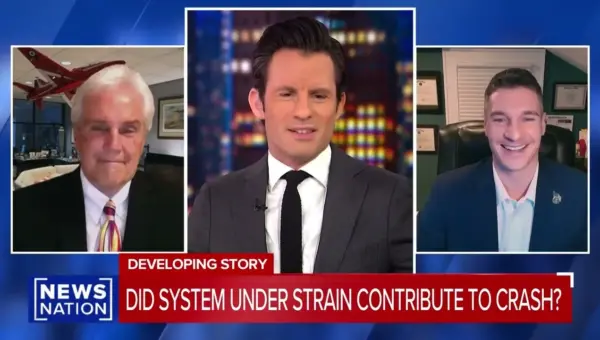
President Trump confirms peace talks with Iran are underway, while US airports face ongoing chaos due to the DHS shutdown. Investigations into a fatal LaGuardia crash reveal systemic safety issues, with experts citing controller fatigue and staffing shortages. Meanwhile, the search for a missing elderly woman continues in harsh desert terrain, highlighting diverse challenges facing the nation.
Air Safety Fears Soar After Deadly Crash
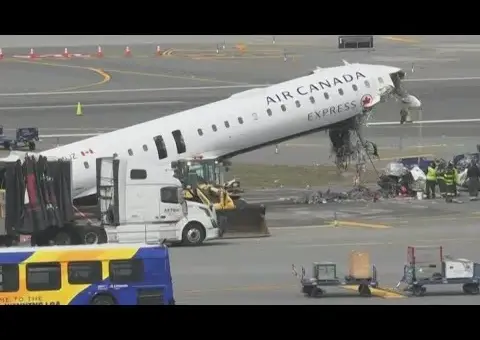
A fatal crash at LaGuardia Airport has triggered a national review of air safety, revealing a pattern of close calls and communication issues at U.S. airports. Investigators are examining technology and staffing, as calls grow for urgent safety upgrades.
Missing Transponder Fueled LaGuardia Near-Disaster
A fire truck lacking a crucial transponder was involved in a near-collision at LaGuardia Airport. The NTSB is investigating this and other issues, highlighting potential gaps in ground vehicle safety protocols. This incident serves as a stark reminder of the importance of technology in preventing airport accidents.