$17 Million Card Tops Trading Card Investment Boom
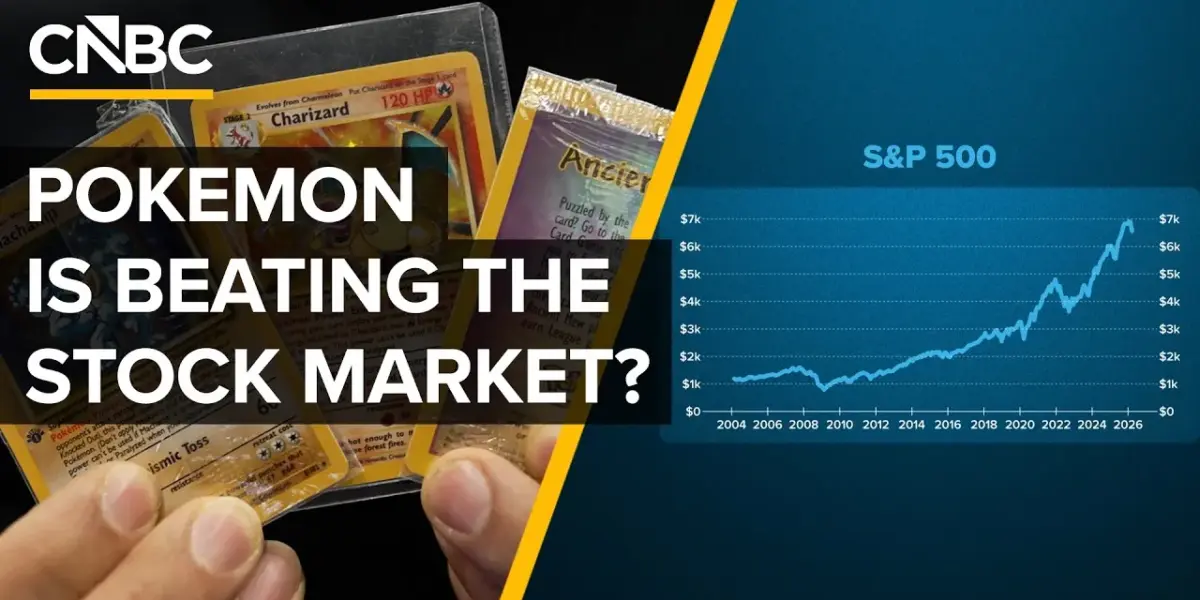
Trading cards have surged in value, with some Pokémon cards outperforming the S&P 500 and a single card selling for nearly $17 million. This boom is driven by adult collectors, social media hype, and the grading process that authenticates and values cards. While offering a tangible alternative asset, investors must be wary of market bubbles and volatility.

Trading Cards Skyrocket in Value, Outpacing Stocks
Trading cards are no longer just childhood relics; they are rapidly becoming a significant investment class, attracting both seasoned investors and celebrities. The trading card market, now valued at an impressive $100 billion, is experiencing a boom. This surge is driven by a growing number of adults, sometimes called “kidults,” who use their disposable income to purchase toys and collectibles. The COVID-19 pandemic further fueled this trend as many rediscovered their passion for collecting.
The numbers speak for themselves. Between 2020 and 2025, spending on trading cards, excluding sports cards, saw a remarkable increase of 350%. While headlines often focus on record-breaking sales, like a single Pokémon card fetching nearly $17 million in February 2026 – a record for any trading card – the broader trend shows many cards significantly outperforming traditional investments.
For instance, certain Pokémon cards, when in perfect condition, have delivered returns far exceeding those of the S&P 500, a widely followed stock market index. This has led many to question whether these collectibles are a genuine alternative asset or simply another speculative bubble waiting to burst.
The Grading Process: Unlocking Card Value
The key to understanding the value of these trading cards lies in a process called grading. Companies like Professional Sports Authenticator (PSA) and Certified Guaranty Company (CGC) act as gatekeepers, assessing the condition and authenticity of cards. This rigorous evaluation is crucial because even a slight difference in grade can translate into thousands of dollars in value.
The grading process involves submitting cards to specialized companies. For example, one individual submitted three cards to CGC, choosing an “economy tier” service that cost $18 per card. The process is described as straightforward: create an account, select the service, choose submission methods, and then ship the cards to the company’s headquarters, typically in Florida, for expert evaluation.
Once at the grading facility, two experts examine each card. They then encapsulate the card in a protective plastic case, known as a slab, which includes a label detailing its grade. This graded slab provides a clear indication of the card’s condition and potential market value. The difference between a grade of nine and a perfect ten can be enormous, highlighting the importance of pristine condition.
Why Are Cards So Valuable?
Several factors contribute to the surge in trading card values. Pokémon, as the highest-grossing media franchise globally, boasts immense brand recognition. However, other trading card games like Magic: The Gathering and Yu-Gi-Oh! are also experiencing significant growth. Companies like CGC grade around half a million cards monthly, while their competitor PSA can handle over a million non-sports cards each month, underscoring the market’s scale.
The rise of “kidults” plays a significant role. These adults, with more disposable income than younger collectors, are willing to spend substantial amounts on nostalgic items. The pandemic further amplified this, as many sought comfort in familiar hobbies. Social media has also become a powerful engine for hype. “Box break” culture, where people record themselves opening sealed packs of cards, has exploded, creating excitement and driving demand. Platforms like YouTube and TikTok are filled with content showcasing rare finds and valuable cards.
Furthermore, the line between investing and gambling has blurred for some. Prediction markets and high-stakes card collecting mirror the thrill of a bet. However, unlike purely speculative ventures, trading cards are tangible assets. This physical nature offers a sense of security, especially during times of high inflation or stock market volatility. Having something you can hold, see, and potentially pass down to future generations adds a unique layer of value beyond pure financial return.
Market Impact and Investor Considerations
The trading card market offers a unique alternative for portfolio diversification. Nostalgia is a powerful driver, often separating these assets from more traditional investments. Some collectors hold onto valuable cards as a form of emergency fund, recognizing their potential liquidity if circumstances change. For instance, one individual mentioned having a card worth $50,000, which they viewed as a valuable asset in their collection but also a potential safety net.
However, investors must approach this market with caution. The trading card market is susceptible to bubbles, much like the Beanie Baby craze of the 1990s. Overproduction, waning collector interest, and subsequent market crashes can leave investors with virtually worthless items. Celebrity endorsements and social media hype do not guarantee long-term value.
Most trading cards have limited resale value, and even minor damage can drastically reduce their worth. Additionally, the market faces challenges such as high transaction fees and the prevalence of counterfeit cards. The value of certain cards can also be impacted by external factors, such as scandals involving the athletes or personalities associated with them. For example, a Sammy Sosa rookie card, once valuable, is now reportedly worth only around $3 due to scandals.
Short-Term vs. Long-Term Outlook
In the short term, the market is driven by hype, nostalgia, and the pursuit of rare finds. The excitement surrounding grading and the potential for significant profits continues to attract new participants. The increasing operational capacity of grading companies like PSA and CGC, with their international expansion, suggests continued growth in the near future.
For the long term, the sustainability of the boom depends on several factors. A steady influx of new collectors, continued demand for iconic franchises like Pokémon, and the intrinsic appeal of tangible assets could support sustained value. However, the risk of overproduction or a shift in collector sentiment remains. While some may not achieve early retirement through card collecting, as one individual found with an estimated $1,000-$1,500 value for a graded card, the potential for profit, especially for items initially acquired for little to no cost, makes holding onto them a viable strategy for future gains.
The market’s volatility means that while some cards can offer exceptional returns, others may lose value. Investing in trading cards requires research, a passion for the hobby, and an understanding of the inherent risks involved. It’s a market where art, history, and finance intersect, offering unique opportunities for those willing to navigate its complexities.
Source: Why Investors Are Getting Into Pokémon Trading Cards (YouTube)

Related Articles

Markets Brace for Extended Downturn as Rate Fears Rise
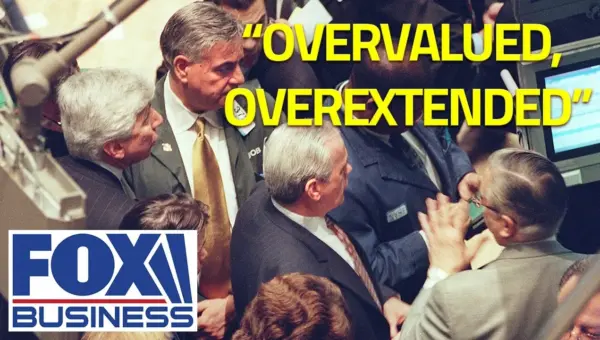
Stock markets are facing significant pressure, with the S&P 500 and Nasdaq in extended losing streaks. Rising oil prices due to geopolitical tensions and persistent inflation fears are fueling concerns about a prolonged downturn, potentially signaling the start of a bear market. Analysts warn that interest rates could continue to climb, impacting borrowing costs and economic growth.


War’s $6 Trillion Toll: Global Economy Reels
A month-long Middle East conflict has triggered a $6 trillion global stock market crash, surging oil prices to $101 per barrel, and threatening crucial trade routes. The war's expansion, now involving multiple nations, is causing severe damage to global supply chains and energy infrastructure, with long-term implications for inflation and economic growth.
Middle East Conflict Fuels Global Market Plunge
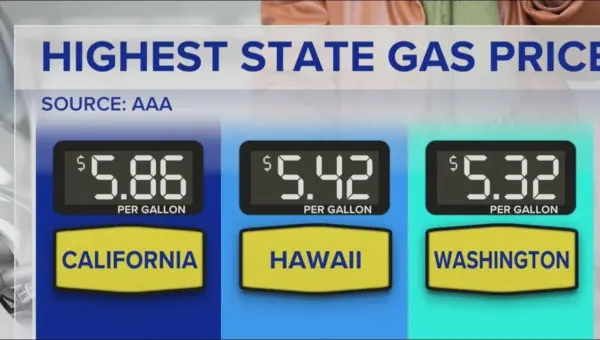
A month-long conflict in the Middle East has sent global stock markets tumbling and gas prices soaring. The disruption of oil supplies, particularly through the Strait of Hormuz, is impacting economies worldwide, with airlines and consumers feeling the immediate effects. Experts warn that prices may continue to rise, exacerbating pre-existing economic weaknesses.