1.4 Million Trade Jobs Face Shortage by 2030
A national report reveals a potential shortage of 1.4 million skilled trade jobs by 2030, driven by high demand and an aging workforce. Outdated perceptions about college degrees are a major factor, but rising salaries and job security in trades are attracting younger generations. Companies like Lowe's are investing heavily in training programs to address this critical gap.

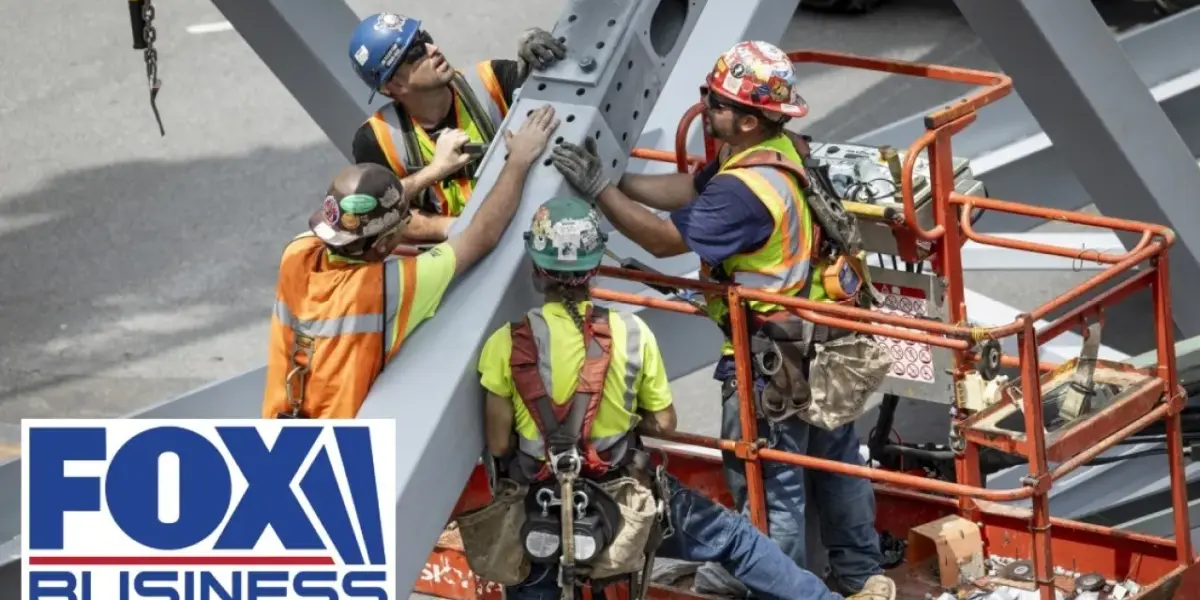
Skilled Trades Face Major Workforce Gap
A new national report warns that America could face a shortage of 1.4 million skilled trade jobs by the year 2030. This significant gap puts economic output at risk. Demand for skilled workers is currently 30% higher than in the overall job market. This surge is partly driven by a boom in artificial intelligence (AI) and infrastructure projects.
Outdated Views Hinder Trade Careers
Margi Vagell, Vice President of the Lowe’s Foundation, explains that outdated ideas about jobs are a key reason for these shortages. Many people still believe a college degree is the only path to success. This focus on higher education has led to fewer people entering skilled trades. However, Vagell sees a positive shift. More Americans are now looking to gain trade skills, start working sooner, and earn good money.
Construction Needs Hundreds of Thousands of Workers
The need for skilled workers is urgent. The construction industry alone will require about 350,000 new workers this year. Adding to the problem, over 40% of the current construction workforce is expected to retire in the next five years. This creates a widening gap between job openings and available workers at a critical time.
Lowe’s Foundation Invests in Trade Careers
The Lowe’s Foundation has invested over $50 million in the last three years. This money helps train and develop people for careers as electricians, construction specialists, and HVAC technicians, among other essential skills. The goal is to build a strong pipeline of talent for these in-demand jobs.
Trade Jobs Offer High Salaries
Salaries for skilled trade jobs have been rising. Many positions now offer six-figure incomes. This is a major draw for young people. Gen Z, in particular, is questioning the high cost of college. They are actively seeking faster, more practical ways to start their careers.
AI Fears Push Workers to Hands-On Jobs
Concerns about AI and job security are also leading people toward trades. Careers in skilled trades are hands-on and essential. They are less likely to be automated by artificial intelligence. This offers a sense of job stability that many are seeking.
Earning While Learning is Appealing
Starting a trade career right after high school allows individuals to earn money while they learn. At 18 years old, this is a much different financial picture than graduating with significant student loan debt from a four-year degree. This earning potential and lower debt burden make trades an attractive option.
Supply Chain and Consumer Confidence
In other market news, supply chain executive vice president discussed the impact of geopolitical events, such as the closure of the Strait of Hormuz, on oil prices and shipments. While the situation is fluid, the company is closely monitoring global events. Elevated gas prices can negatively affect consumer sentiment. To combat this, the company has focused on diversifying its product sourcing. This strategy, developed during the pandemic, helps prepare for major disruptions.
Positive Outlook for Spring Season
Despite concerns about gas prices, the company remains optimistic about the upcoming spring housing market. Customer sentiment is positive, with excitement for events like the Spring Fling. Store traffic is picking up as customers prepare for gardening and home refresh projects. The company stands by its financial guidance, focusing on providing value to customers, especially during the spring season.
Market Impact
The looming shortage of skilled trades could impact various sectors, including construction and manufacturing. Higher labor costs may result from increased demand. This could lead to higher prices for goods and services that rely on these trades. The focus on AI and automation also highlights the need for a balanced approach to workforce development, ensuring that essential human skills remain valued.
What Investors Should Know
Investors may want to consider companies that are investing in trade education and workforce development. Sectors that rely heavily on skilled labor, such as construction and home improvement, could see both challenges and opportunities. Companies with strong supply chain management and diversified sourcing may be better positioned to weather economic uncertainties. Consumer confidence, influenced by factors like gas prices, will remain a key indicator for retail performance.
Source: BLUE-COLLAR BUST: Report sounds alarm on skilled trade jobs (YouTube)

Related Articles


AI Fears Drive Women to High-Paying Skilled Trades
As AI sparks fears of white-collar job losses, women are increasingly finding stable, high-paying careers in skilled trades. Despite persistent barriers, this demographic shift offers significant economic opportunities and helps address critical labor shortages.


Flying Cars Take Flight: Doroni Unveils $400K Electric VTOL
Doroni Aerospace has unveiled its all-electric, two-seat H1-X 'flying car' at the FII Conference in Miami. Priced at $400,000, the aircraft is expected to begin market delivery in 2028. The company is working with the FAA for certification and sees potential for personal use, emergency services, and military applications.


Wealthy Flee High-Tax States, Boosting Low-Tax Havens
Wealthy Americans are relocating to lower-tax states, with Florida leading the charge by gaining over $20 billion in income in one year. This trend sees high-tax states like New York and California losing billions, as businesses and individuals seek more favorable economic environments.